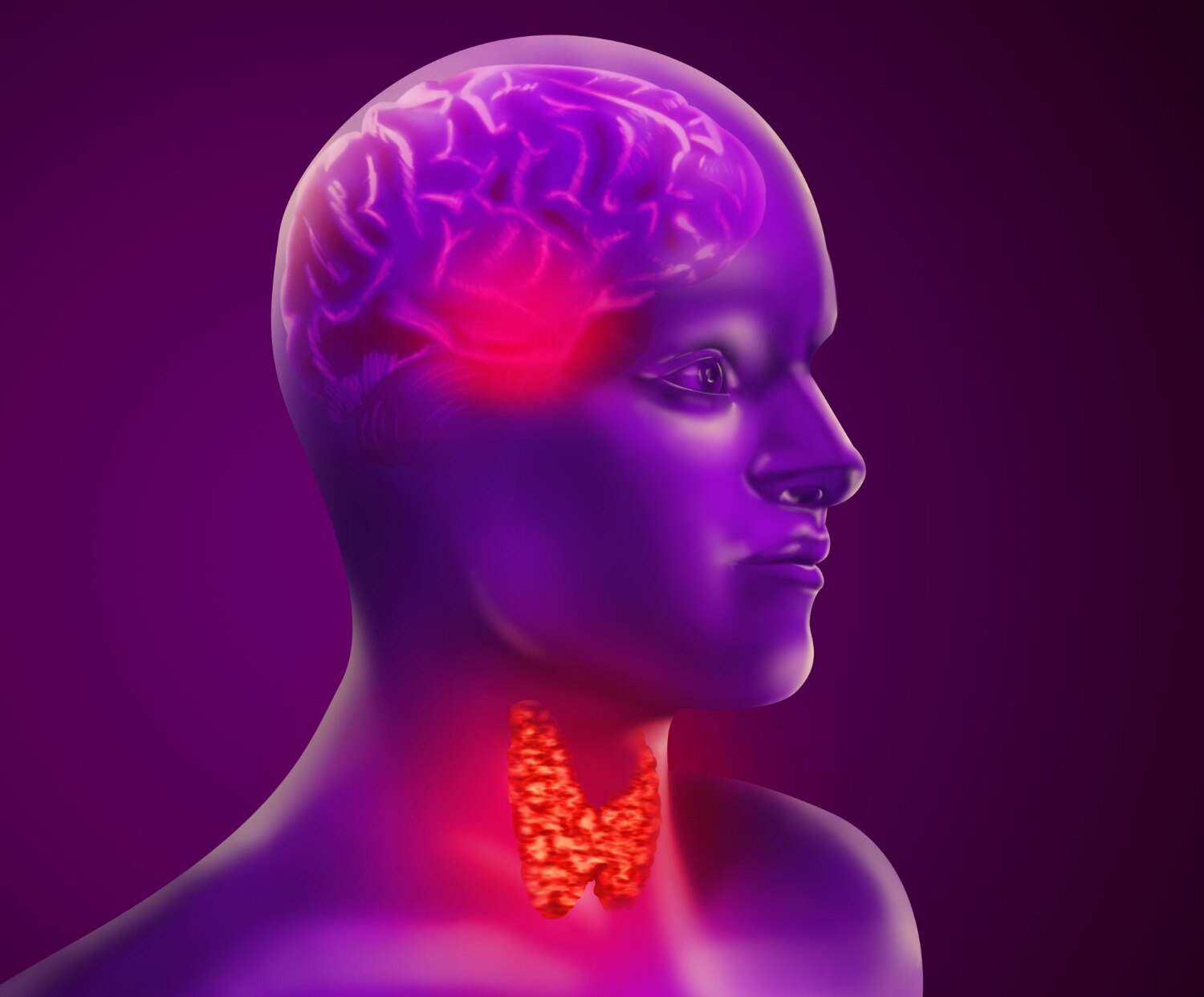
The right operation depends on where the tumour began, how far it has spread, whether lymph nodes are involved, and what function must be preserved. By the end, you will know which tests establish the diagnosis, how surgeons choose between operations, when additional treatment is needed, and what to verify before selecting a Mumbai care team.
Key takeaways
- Confirm biopsy, imaging and tumour stage before choosing an operation.
- Ask whether neck lymph nodes require dissection or sentinel-node assessment.
- Compare surgery, radiotherapy and medicines through a multidisciplinary cancer team.
- Verify surgeon experience, reconstruction plans, speech and swallowing support, and follow-up.
Which cancers and tests lead to head-and-neck surgery?
Head and neck cancer surgery in Mumbai covers cancers of the lip, oral cavity, tongue, oropharynx, hypopharynx, larynx, nasopharynx, nose, paranasal sinuses, salivary glands, thyroid and skin. It also includes surgery for metastatic cancer in neck lymph nodes when the original tumour is hidden or already treated.
| Cancer site | Diagnostic confirmation | Staging information |
|---|---|---|
| Oral cavity or tongue | Incisional biopsy | Tumour size, depth of invasion, jaw involvement and neck nodes |
| Oropharynx or larynx | Biopsy, flexible nasendoscopy and HPV testing when relevant | Primary site, HPV status, vocal-cord function and nodal spread |
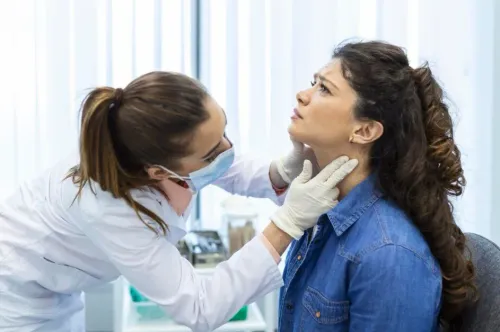
| Neck mass | Fine-needle aspiration or core biopsy | Metastatic pattern and search for the primary tumour |
| Nose or sinuses | Endoscopic examination and biopsy | Bone, orbit, skull-base and distant involvement on CT or MRI |
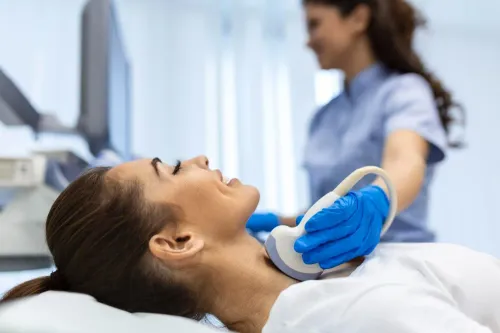
| Salivary gland or thyroid | Ultrasound-guided needle sampling | Gland anatomy, local invasion and suspicious nodes |
| Any advanced cancer | Contrast CT, MRI or PET-CT | TNM stage and distant spread |
A tissue diagnosis normally comes before definitive surgery. Avoid an open neck biopsy as a routine first step: it can complicate later neck dissection. Dental assessment matters before oral or jaw surgery, while blood tests and other staging investigations establish whether an operation is safe and appropriate.
TNM stage, margins, depth of invasion, lymph-node involvement and distant disease determine the plan. Selected oropharyngeal tumours may suit transoral surgery, but neck treatment or postoperative radiotherapy can still be necessary.
Oral operations range from wide local excision to partial or total glossectomy, floor-of-mouth resection and jawbone resection, with reconstruction planned when tissue loss affects swallowing, speech or dental rehabilitation.
How does the tumour site change the operation?
The tumour’s site determines both the tissue removed and the function the operation must preserve. A small surface cancer may need local excision; invasion into bone, muscle, nerves or nearby organs calls for a wider resection and planned reconstruction.
- Mouth and lip: Wide local excision, partial or total glossectomy, floor-of-mouth resection, marginal mandibulectomy or segmental mandibulectomy may be used. Removing only the visible ulcer is inadequate when cancer extends beyond it. Larger defects may need a local, regional or microvascular free flap to restore speech, swallowing, facial contour and dental rehabilitation. This is central to planning oral cancer surgery in Mumbai.
- Oropharynx and hypopharynx: Selected tumours may be removed through the mouth with transoral surgery; others require an open throat resection, reconstruction or treatment combined with neck surgery. Transoral access does not automatically remove the need for postoperative radiotherapy.
- Larynx: Endoscopic removal or partial laryngectomy can preserve some voice and swallowing. Total laryngectomy permanently separates the airway from the mouth and nose, creating a neck stoma; voice rehabilitation may use a prosthesis, electrolarynx or oesophageal speech.
- Nose and sinuses: Endoscopic resection suits accessible tumours; extensive disease may require open sinonasal or craniofacial resection and reconstruction.
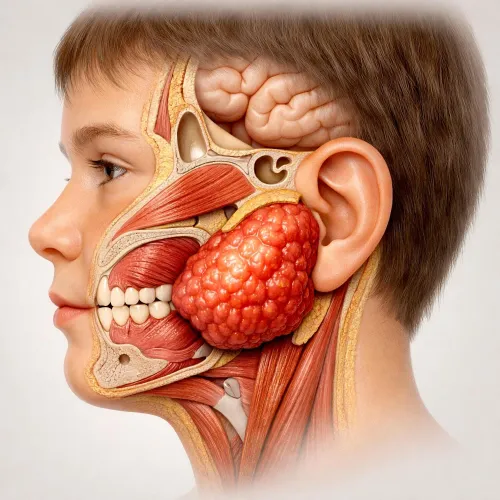
- Salivary glands: Parotidectomy, submandibular-gland excision or removal of involved minor glands may be required, with attention to facial-nerve preservation.
- Thyroid and skin: Lobectomy, total thyroidectomy or wide skin excision is chosen according to spread, with reconstruction when tissue loss is substantial.
When is a neck dissection part of cancer surgery?
Neck lymph nodes are removed because head-and-neck cancers can spread there before a lump becomes visible or palpable. A neck dissection treats proven nodal disease or prevents recurrence when microscopic spread is likely, even with a clinically node-negative neck.
The operation is tailored to the drainage pathway and tumour involvement:
| Type | What is removed | Typical use |
|---|---|---|
| Selective neck dissection | Selected nodal levels, often I–III or II–IV | Elective treatment or limited nodal disease |
| Modified radical neck dissection | Levels I–V, preserving one or more of the spinal accessory nerve, internal jugular vein and sternocleidomastoid muscle | Extensive nodal disease without invasion of all three structures |
| Radical neck dissection | Levels I–V plus the involved nerve, vein and muscle | Nodes directly invading those structures |
Neck levels run from I under the chin and jaw to V along the lower side of the neck. Oral cavity cancers commonly drain to levels I–III; cancers of the oropharynx and larynx often involve levels II–IV. The exact pattern depends on the primary site.
Tumour depth, T stage, location, lymphovascular or perineural invasion, and suspicious imaging findings influence elective dissection. Pathology then records the number and size of positive nodes, margins and extranodal extension; multiple nodes or extranodal extension can trigger postoperative radiotherapy or chemotherapy.
Ask whether the proposed neck cancer operation in mumbai is therapeutic or elective, which levels will be removed, and which structures are planned for preservation.
How do surgery, radiotherapy and medicines fit together?
Surgery is usually preferred when a tumour is resectable, doctors can remove it completely, and the expected loss of speech, swallowing, breathing or appearance is acceptable. It may also provide the tissue findings needed to decide on postoperative treatment.
A team may favour surgery when:
- The cancer is confined to a site that can be removed with clear margins.
- Neck-node disease can be treated during the same operation.
- Reconstruction can preserve the function that matters to you.
- Non-surgical treatment would offer poorer control or greater long-term toxicity.
Definitive radiotherapy, with or without chemotherapy, can treat selected throat or laryngeal cancers and may preserve the voice box. It is also used when surgery would cause unacceptable disability, or when the disease cannot be safely removed.
Immunotherapy is mainly used for selected recurrent or metastatic disease; it does not replace surgery for every resectable tumour.
Treatment can continue after an operation. Positive margins or extranodal extension may lead to postoperative radiotherapy, with concurrent chemotherapy in selected high-risk cases. Ask how the proposed operation affects that next step, rather than comparing teams only by hospital stay.
Surgery after radiotherapy, chemotherapy or immunotherapy is called salvage surgery when cancer remains or returns in a removable area. It requires careful imaging and multidisciplinary review because irradiated tissue heals poorly, making reconstruction and swallowing rehabilitation more demanding.
A search for a head neck cancer surgeon in Mumbai is only a starting point: verify experience with your tumour site and access to the full treatment team.
What should you verify before choosing a Mumbai cancer team?
Searching for a head and neck cancer surgeon in Mumbai is only a starting point. Before consenting, confirm that the team routinely treats your tumour site—oral cavity, throat, larynx, thyroid, salivary gland, sinonasal tract or skin—and reviews your scans and pathology in a multidisciplinary meeting.
| Check | Ask before consent | Why it matters |
|---|---|---|
| Specialists | Which head-and-neck surgeon, radiologist, pathologist, medical oncologist and radiation oncologist will review my case? | A plan for oral cancer may be unsuitable for laryngeal or thyroid cancer. |
| Function | Will you record speech, swallowing, nutrition, weight, dental condition and airway status before surgery? | Baseline measurements expose aspiration, weight loss, tongue restriction and dental risks after treatment. |
| Reconstruction | If tissue, jawbone or throat is removed, will a local flap, regional flap or microvascular free flap be available? | Reconstruction restores separation, swallowing, speech, facial contour and future dental rehabilitation; it also adds operating time and donor-site risks. |
| Rehabilitation | Who provides speech-and-swallow therapy, dietetic care, dental treatment and shoulder or neck rehabilitation, and when do they start? | Delayed therapy can prolong tube feeding, swallowing problems, shoulder stiffness or loss of speech. |
Ask where radiotherapy and emergency airway support are provided, and who coordinates follow-up. If you consult Dr. Navalakhe ENT Clinic, use the appointment to request this named care pathway rather than accepting a procedure without its reconstruction and rehabilitation plan.
Related service
Head-Neck Head and neck cancers are common nowdays due increased consumption of tobacco and its related products. View service → |
Frequently asked questions
Which cancers and tests lead to head-and-neck surgery?
Surgery can treat cancers of the mouth, tongue, throat, voice box, nose, sinuses, salivary glands, thyroid and skin. Decisions rely on biopsy, examination, endoscopy and imaging such as CT, MRI or PET-CT.
How does the tumour site change the operation?
The site determines which tissue must be removed and whether surgery affects speech, swallowing, breathing, chewing, facial appearance or the voice box. Reconstruction and rehabilitation are planned around those effects.
When is a neck dissection part of cancer surgery?
A neck dissection removes selected groups of lymph nodes when scans or biopsy show spread, or when the tumour has a significant risk of hidden nodal disease. The extent depends on the tumour site and stage.
How do surgery, radiotherapy and medicines fit together?
Treatment may use surgery first, radiotherapy after surgery, or medicines with radiotherapy. The sequence depends on tumour site, stage, margins, lymph-node findings, overall health and treatment goals.
What should you verify before choosing a Mumbai cancer team?
Verify the biopsy and staging plan, surgeon’s relevant experience, reconstruction options, expected effects on speech and swallowing, neck-dissection plan, pathology review, rehabilitation and follow-up arrangements.
Keywords