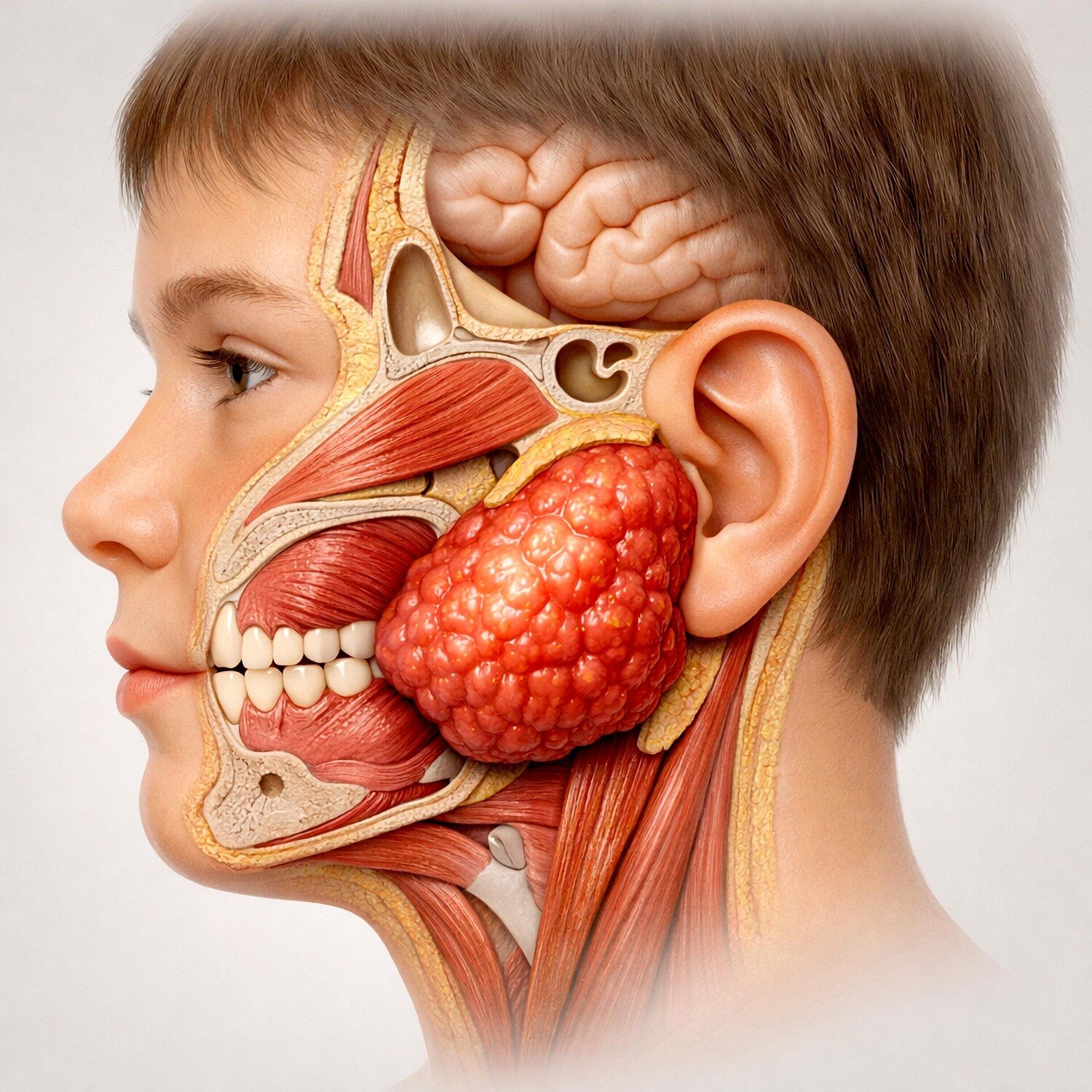
A parotid lump, meal-related swelling, fever and facial weakness point to different clinical problems, so the right treatment starts with recognising the pattern rather than choosing a procedure by name. By the end, you will know which symptoms need urgent assessment, which tests clarify the diagnosis, and how doctors match observation, medication, duct treatment or surgery to the findings.
Key takeaways
- Facial weakness, rapid growth, fixed lumps, or neck nodes need prompt assessment.
- Ultrasound, MRI, and needle biopsy help identify the cause of a parotid lump.
- Treatment ranges from observation and medicines to drainage or gland surgery.
- Ask how facial-nerve monitoring, pathology, and reconstruction are handled.
What Your Symptoms Suggest—and When to Seek Urgent Care
A parotid lump is not automatically cancer: about 70–80% of parotid neoplasms are benign. Concern rises when a mass is firm, fixed, rapidly enlarging, persistently painful, associated with neck nodes or skin changes, or accompanied by facial weakness.
| Pattern | What it may suggest | What to do |
|---|---|---|
| Painless lump that persists | Benign tumour, malignant tumour or enlarged node | Arrange assessment; do not wait for pain |
| Swelling and pain during meals | Salivary-duct stone or narrowing | Seek evaluation, especially if episodes recur |
| Tender swelling with fever, redness or pus in the mouth | Parotid infection | Arrange prompt medical care |
| Dry mouth with reduced saliva | Dehydration, medication effect or salivary-gland disease | Mention it during examination |
| Drooping face, uneven smile or inability to close one eye | Facial-nerve involvement | Seek urgent assessment |
Go to an emergency service for sudden facial weakness, difficulty breathing or swallowing, rapidly enlarging swelling, severe pain with high fever, confusion, or spreading redness. Facial weakness changes both urgency and treatment planning, so do not wait for a routine appointment.
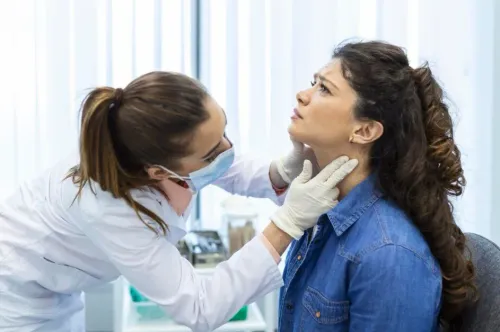
If you are seeking parotid gland treatment in Mumbai, take previous scan reports and pathology results to the consultation. The clinician should examine your face, mouth, ear and neck, compare both sides, and document facial-nerve movement.
An ultrasound-guided fine-needle sample often helps classify a mass; a nondiagnostic result may require repeat sampling or a core biopsy.
How a Parotid Specialist Finds the Cause
A parotid gland specialist in Mumbai starts by locating the problem, not by assuming every cheek or jaw swelling comes from the parotid. The clinician checks both sides of the face, the parotid ducts inside the mouth, teeth and gums, the ear, jaw-joint movement, neck lymph nodes, and facial-nerve function.
Weakness when raising the eyebrows, closing the eyes, smiling or puffing the cheeks changes the urgency and treatment plan.
The tests depend on what the examination shows:
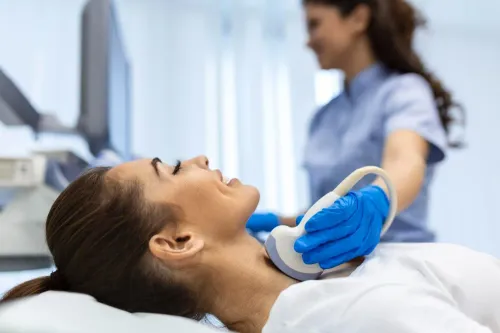
- Ultrasound can identify a cyst, solid mass, inflamed gland, enlarged lymph node or duct stone, and can guide fine-needle aspiration cytology.
- Contrast CT is useful for acute infection, abscess, calcified stones and bone involvement, including dental or jaw disease.
- MRI gives better detail for deep-lobe tumours, skull-base extension, adjacent soft tissue and tumour tracking along a nerve.
- Fine-needle aspiration cytology samples cells from a mass. A nondiagnostic or indeterminate result may require repeat sampling or a core-needle biopsy, which removes a small tissue cylinder for more structure.
- Blood tests such as a complete blood count, C-reactive protein and blood glucose can support suspected infection or identify factors that worsen it; they do not rule out a tumour.
Dental examination or dental X-rays may reveal an abscess, while tenderness and clicking with jaw movement point toward the temporomandibular joint. A node separate from the gland on ultrasound suggests lymph-node disease rather than a parotid mass.
Ask who will interpret the cytology or biopsy and how the results, facial-nerve findings and follow-up plan will be reviewed.
Matching the Treatment to the Diagnosis
Treatment follows the cause, not the location of the swelling. Acute bacterial parotitis usually calls for fluids, pain relief, careful oral hygiene, measures that increase saliva, and prescribed antibiotics. An abscess needs drainage; antibiotics alone will not empty a pocket of pus.
- Hydration and pain relief: Use them for uncomplicated inflammation or while the cause is being confirmed. Worsening fever, dehydration or increasing swelling needs reassessment.
- Antibiotics: Use them when examination supports bacterial infection, not for every recurrent episode. Repeated courses can miss a stone, duct narrowing, autoimmune disease or medication-related dry mouth.
- Duct treatment: Choose it when swelling returns during meals and imaging suggests a stone or stricture. Removing the blockage addresses the trigger rather than repeatedly treating the flare.
- Sialendoscopy: This miniature endoscopic procedure can inspect and treat the duct while preserving the gland. Large, impacted or awkwardly positioned stones may need endoscopy combined with a small external approach; a few cases still require gland removal.
- Observation: A stable lesion with a confident benign diagnosis can be monitored with a written review schedule. An enlarging or uncertain mass should not be left without documented follow-up.
A solid parotid tumour needs a pathology-led plan, not infection treatment. Depending on its histology, position, size and relationship to the facial nerve, treatment may involve limited or total parotid surgery, neck dissection, radiotherapy, or combined care. Children with recurrent swelling need age-specific assessment because juvenile recurrent parotitis often improves with conservative care.
Which Parotid Operation May Be Appropriate?
A small, well-localised benign tumour in the superficial lobe may need only limited removal, while a deep-lobe, recurrent, large or malignant tumour often requires a wider operation. The choice depends on imaging, cytology or biopsy, tumour position, its relationship to the facial nerve, and whether neck nodes are involved.
| Option | What it means | When it may fit |
|---|---|---|
| Limited extracapsular procedure | Removes a selected tumour with a narrow rim of surrounding tissue, without routinely dissecting the entire facial-nerve plane | A small, clearly localised benign tumour in an experienced surgeon’s carefully selected case; it is not suitable for every mass |
| Superficial parotidectomy | Removes the superficial lobe, with identification and preservation of the facial nerve when it is not invaded | A tumour in the superficial lobe, especially when adequate margins or safer nerve exposure require more tissue removal |
| Total parotidectomy | Removes superficial and deep parotid tissue, usually with deliberate facial-nerve preservation when possible | A deep-lobe tumour, extensive or recurrent disease, or many malignant tumours |
Extracapsular surgery can reduce dissection, but inadequate margins or tumour rupture can increase recurrence risk. A facial nerve that is weak before surgery raises concern for invasion and changes urgency and planning; cancer directly involving it may require sacrifice followed by reconstruction.
Parotid surgery in Mumbai may also include neck dissection when nodes contain cancer, followed by radiotherapy for high-grade disease, close or positive margins, perineural invasion, nodal spread or advanced local disease. Ask for review of the scans and pathology before accepting either monitoring or an operation.
Questions to Ask Before Choosing Your Care Team
A useful consultation with a parotid gland doctor in Mumbai should end with specific answers, not a generic treatment label. Ask:
- Will you review the original ultrasound, CT or MRI images, not only the written report?
- Have you examined both sides of my face, facial-nerve movements and neck lymph nodes?
- Who will interpret the fine-needle aspiration cytology or core-biopsy sample, and what happens if the result is indeterminate?
- Do you routinely manage salivary-gland tumours and duct disorders?
- What operation, if any, fits the lesion’s location and relationship to the facial nerve?
- What pathology report will confirm the diagnosis after removal, and who explains its margins, grade or need for further treatment?
- What symptoms or scan changes should trigger an earlier review?
Dr. Navalakhe ENT Clinic can be one place to ask how baseline facial-nerve findings, pathology review and follow-up are arranged before choosing parotid care.
Monitoring and intervention should be compared against your diagnosis, not chosen by preference alone.
| Option | What it requires | When it fits |
|---|---|---|
| Monitoring | A documented scan and examination schedule | A stable lesion with a confident benign diagnosis |
| Intervention | A defined procedure, pathology plan and nerve-risk discussion | Growth, uncertainty, symptoms, or suspected malignancy |
| Escalation | Multidisciplinary planning and possible radiotherapy | Malignant disease, deep-lobe involvement or facial-nerve invasion |
Related service
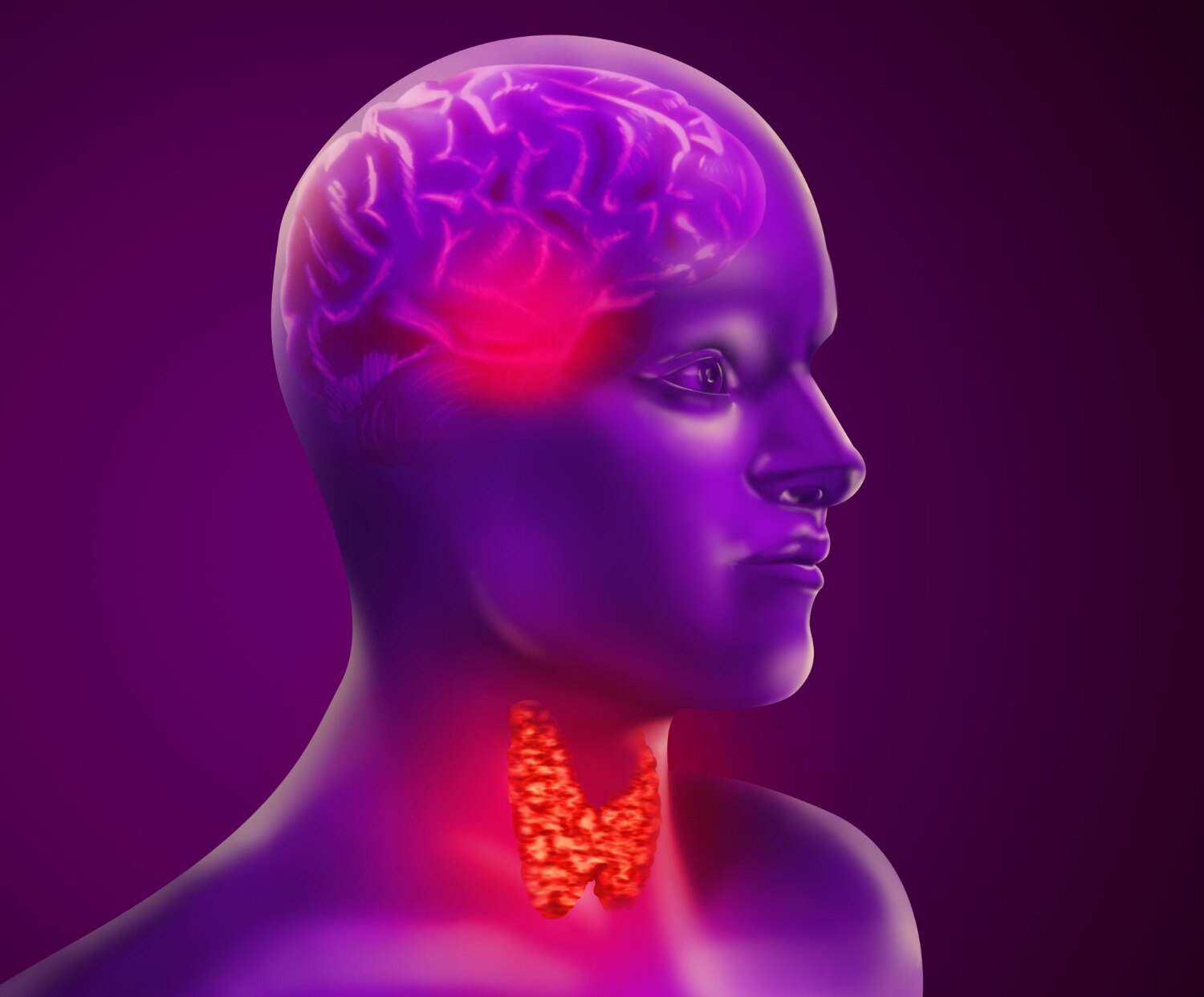
Head-Neck Parotid gland is largest salivary gland. It situated below external auditory meatus and in front of temperomandibular joint. View service → |
Frequently asked questions
Which parotid symptoms require urgent medical assessment?
Seek prompt assessment for facial weakness, a rapidly enlarging or fixed lump, persistent pain, skin changes, or enlarged neck nodes.
How does a parotid specialist find the cause?
Assessment can include an examination of the lump and facial nerve, ultrasound or MRI, and a needle biopsy when tissue diagnosis is needed.
What treatments are used for parotid gland problems?
Treatment depends on the diagnosis and can include observation, medicines, drainage, or surgery for a tumour, stone, infection, or other condition.
What should you ask before choosing parotid surgery in Mumbai?
Ask about the proposed operation, facial-nerve monitoring, likely complications, pathology testing, recovery time, and follow-up care.
Keywords