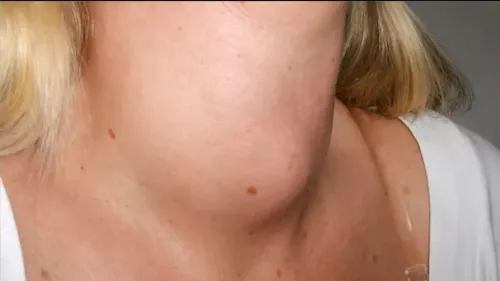
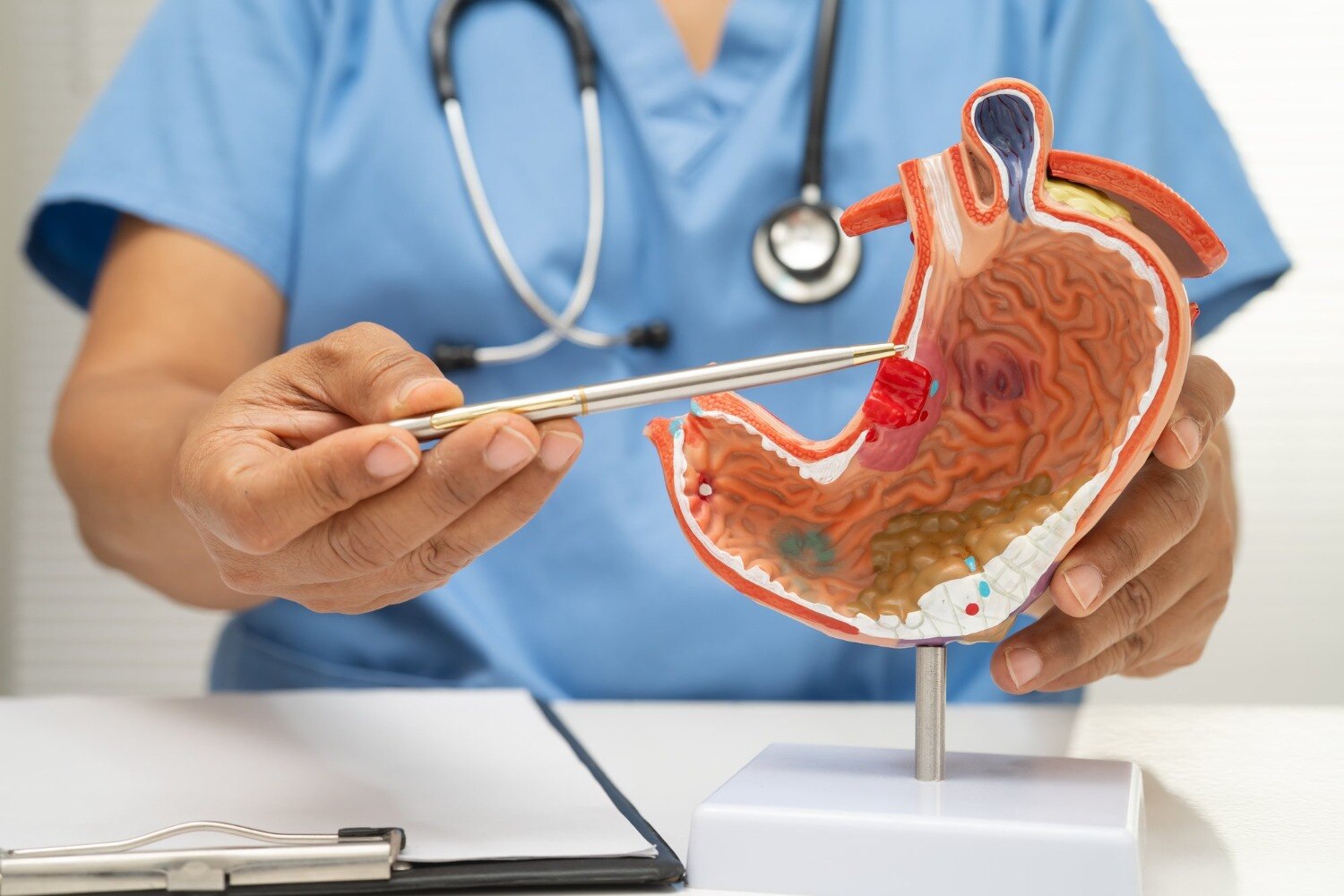
Food sticking, painful swallowing, persistent dysphagia or an abnormal scan can lead to a closer examination of the oesophagus. By understanding why the test is recommended, which type is planned, how anaesthesia changes the experience and what recovery involves, you can prepare properly and ask useful questions before booking.
Key takeaways
- Ask whether your examination will use a flexible or rigid oesophagoscope.
- Arrange fasting, medication instructions and an escort before arriving.
- Expect a sore throat after the procedure, especially if a biopsy was taken.
- Confirm anaesthesia, recovery monitoring and discharge instructions with your Mumbai ENT team.
When symptoms and test results justify an oesophagus examination
Oesophagoscopy is recommended when swallowing symptoms or test results suggest disease inside the oesophagus that a routine throat examination cannot assess. An oesophagus examination in Mumbai may investigate:
- Food sticking behind the breastbone, persistent dysphagia or painful swallowing
- A suspected swallowed or lodged object, especially when it causes drooling, chest pain or inability to swallow
- Vomited blood, black stools or bleeding seen during another examination
- Unexplained narrowing, recurrent food impaction or weight loss
- An abnormal barium swallow, CT scan, ultrasound or previous endoscopy
| Finding | What it prompts | What the examination investigates |
|---|---|---|
| Food sticking or narrowing | Direct inspection, with dilation if appropriate | Stricture, scar tissue, tumour or compression |
| Inflamed or irregular lining | Biopsy from one or more levels | Reflux injury, eosinophilic oesophagitis, Barrett-related change, infection or cancer |
| Abnormal imaging | Confirmation of the location and cause | Mass, pouch, leak, foreign body or structural narrowing |
| Suspected lodged object or active bleeding | Urgent diagnostic and therapeutic examination | Object removal or bleeding control |
A normal-looking lining does not rule out eosinophilic oesophagitis; tissue samples can be necessary. A flexible nasendoscope examines the nose, throat and larynx but not the full oesophagus, while a gastroscopy continues into the stomach and duodenum. Confirm which examination is planned.
Flexible versus rigid oesophagoscopy: which examination is being planned?
A search for oesophagoscopy in Mumbai does not identify one standard examination. Ask for the exact scope, its route, anaesthesia plan and whether the team can biopsy, dilate or remove an object.
| Option | What it means | When it applies |
|---|---|---|
| Flexible oesophagoscopy | A thin video scope usually passes through the mouth to inspect the oesophagus; throat spray, sedation or anaesthesia may be used. | Diagnostic inspection, biopsy and selected treatments; often arranged by an ENT surgeon or gastroenterologist. |
| Rigid oesophagoscopy | A straight metal instrument passes through the mouth, usually under general anaesthesia. | Suspected sharp or impacted foreign bodies, major narrowing or treatment requiring operating-room access; commonly managed by an ENT surgeon. |
| ENT endoscopy | A flexible nasal scope examines the nose, nasopharynx, throat or larynx. It may show the upper oesophageal opening but not the oesophagus’s full length. | Voice, airway, nasal and throat assessment. “ent endoscopy in mumbai” is too broad to confirm an oesophagus examination. |
| Full gastroscopy | A flexible upper-GI scope continues from the oesophagus through the stomach into the duodenum. | When the stomach or duodenum also needs assessment; commonly performed by a gastroenterologist. |
For a child, ask whether the plan is diagnostic flexible endoscopy or rigid examination under general anaesthesia, especially if an object is lodged.
What to arrange before arriving for the procedure
Do not arrive for an oesophagoscopy procedure in Mumbai without confirming the scope, anaesthesia and fasting plan. “ENT endoscopy” could mean a nasal or laryngeal examination rather than inspection of the oesophagus.
Ask whether the examination is flexible or rigid, whether biopsy or foreign-body removal is planned, and what happens if a narrowing or retained object is found.
1. Send the team your medication list, allergies, previous anaesthetic problems, sleep apnoea, pregnancy possibility and bleeding disorders. Include anticoagulants, antiplatelet drugs and diabetes medicines. Do not stop blood thinners yourself; the prescribing clinician and anaesthesia team must decide whether a change is safe.
2. Follow the written fasting instructions exactly. They depend on the planned anaesthesia, age and procedure. Ask when to stop solid food, milk, clear fluids and regular medicines; breaking the restriction can postpone the examination.
3. Read and sign consent after discussing biopsy, dilation, bleeding control and foreign-body removal, along with their risks and alternatives.
4. Arrange an adult to accompany you home and stay with you after sedation or general anaesthesia. Do not drive, cycle or travel home alone. For a child, confirm whether general anaesthesia and an operating theatre are required.
What happens during oesophagoscopy, from anaesthesia to scope removal
The anaesthetic determines what you notice and how the scope is introduced. During an oesophagoscopy procedure in Mumbai, a flexible examination may use throat-numbing spray with or without sedation; a rigid examination usually requires general anaesthesia, especially for children, impacted objects or operative treatment.
1. You change into theatre clothing, lie on your left side for a flexible examination, and receive monitoring for oxygen level, pulse and blood pressure. A mouthguard protects your teeth.
2. After the throat is numb or you are asleep, the clinician passes the flexible video endoscope through your mouth. A rigid metal oesophagoscope follows the same route but creates a straighter working channel.
3. The clinician advances the scope while inspecting the lining from the throat through the oesophagus. Small amounts of air or carbon dioxide open collapsed areas and improve the view.
4. If an abnormal area appears, biopsy forceps pass through the scope to remove small tissue samples. The samples go to a laboratory; taking a biopsy does not mean cancer has been found.
5. A loose or lodged foreign body is removed with graspers, a retrieval basket or another suitable instrument. A sharp, impacted object may require rigid oesophagoscopy under general anaesthesia.
6. If a narrowing is found, the clinician may dilate it using a balloon or graduated dilator. Active bleeding is treated during the examination with methods such as clips, injection or cautery.
7. The clinician withdraws the scope while checking the lining again, removes the mouthguard, and transfers you to recovery. Ask what was seen during your oesophagus examination in Mumbai and whether any sample or object was sent for analysis.
How anaesthesia changes awareness, breathing and discharge
The anaesthetic plan determines whether you remain aware, how your breathing is supported and who must take you home during oesophagoscopy in Mumbai.
- Throat spray numbs the mouth and throat while you remain awake. You may notice gagging, pressure, bloating or a temporary sore throat, but severe pain is not expected. A biopsy usually feels different from a skin cut because the oesophageal lining has relatively little pain sensation. Wait until swallowing sensation returns before eating or drinking.
- Conscious sedation makes you relaxed and sleepy; you may remember little of the examination. Your team monitors breathing, oxygen levels and pulse because sedation can slow breathing. Arrange a responsible adult to accompany you home, and do not drive, operate machinery, sign important documents or make major decisions for the rest of the day.
- General anaesthesia means you are unconscious and will not feel or remember the examination. An anaesthesia team controls or supports your breathing while the procedure is performed. Do not drive afterward; follow the discharge time limit and remain with the adult supervisor specified by the hospital.
Recovery, sensations and choosing the right Mumbai team
Allow about two to four hours at the facility: check-in, consent, the examination and monitored recovery. Children and patients having general anaesthesia often need longer. Do not drive or travel alone after sedation.
A scratchy throat, mild discomfort when swallowing, bloating from air, drowsiness and a small blood streak after biopsy are expected. They should ease during the same day.
Seek urgent help for breathing difficulty, worsening chest or neck pain, repeated vomiting, inability to swallow liquids, heavy or persistent bleeding, black stools, fever or fainting. Do not wait for a routine review.
Before booking oesophagoscopy in Mumbai, confirm exactly what the team will perform:
| Planned examination | What it covers | Ask before booking |
|---|---|---|
| Nasal or laryngeal endoscopy | Nose, throat and larynx | It does not inspect the full oesophagus |
| Flexible oesophagoscopy | Oesophagus | Can biopsy, remove an object or dilate a narrowing? |
| Rigid oesophagoscopy | Direct examination, often under general anaesthesia | Is an operating theatre and paediatric anaesthesia needed? |
| Gastroscopy | Oesophagus, stomach and duodenum | Will the stomach also be assessed? |
For ENT endoscopy in Mumbai, Dr. Navalakhe ENT Clinic is worth asking about the exact scope, anaesthesia, fasting instructions, recovery time and emergency backup if an object or narrowing is found.
Related service
Head-Neck OESOPHAGOSCOPY A technique for examining the esophagus. The viewing instrument, the oesophagoscope, consists of a long, metallic tube fitted with an eyepiece,... |
Frequently asked questions
When is an oesophagus examination recommended?
It is considered when swallowing symptoms or test results suggest disease inside the oesophagus that a routine throat examination cannot assess.
What is the difference between flexible and rigid oesophagoscopy?
A flexible oesophagoscope is a thin, bendable camera used for inspection and some biopsies. A rigid oesophagoscope is a straight instrument used under deeper anaesthesia for selected examinations or treatments.
What should you arrange before oesophagoscopy?
Follow the fasting instructions, discuss medicines such as blood thinners and diabetes treatment, arrange transport and bring relevant test reports.
What happens during an oesophagoscopy procedure?
After anaesthesia is given, the ENT specialist passes the scope through the mouth, examines the oesophagus, takes a biopsy or removes an object when needed, then withdraws the scope.
What is recovery like after oesophagoscopy?
You may have throat discomfort, drowsiness or temporary swallowing irritation. Do not drive after sedation or general anaesthesia, and follow the discharge instructions.
Keywords