A neck lump needs more than watchful waiting when it persists, enlarges, feels hard or fixed, or appears without a clear infection. You will learn which warning signs need emergency care, how location and symptoms narrow the possible causes, and what an ENT assessment in Mumbai involves.
Key takeaways
- Seek emergency care for breathing difficulty, drooling, or rapidly expanding mouth or neck swelling.
- A tender lump after a throat infection often behaves like a reactive lymph node.
- Arrange ENT assessment for a firm, fixed, persistent, or enlarging neck lump.
- Expect questions, examination, and targeted tests during a neck-lump evaluation.
When a neck swelling needs prompt or emergency care
Noisy or difficult breathing, inability to swallow saliva, drooling, bluish lips, or rapidly increasing tongue, floor-of-mouth, or neck swelling requires emergency care now. Do not wait for a neck swelling ENT doctor in Mumbai to diagnose it in an outpatient appointment; airway assessment comes first.
- Seek emergency help for severe breathing difficulty, new voice change with airway symptoms, uncontrolled bleeding, rapidly expanding swelling, or collapse.
- Arrange same-day medical assessment for fever with a hot, red, painful swelling; pus; severe neck pain or stiffness; marked weakness; or a lump that is enlarging over hours.
- Book a prompt ENT appointment for an adult lump lasting two weeks or longer, a lump with uncertain duration, or swelling that remains after an apparent infection has settled. Arrange this sooner if it is hard, fixed, painless, larger than 1.5 cm, ulcerated, or accompanied by hoarseness, difficulty swallowing, unexplained weight loss, coughing blood, or one-sided ear pain despite a normal ear examination.
| Urgency | Warning pattern | What to do |
|---|---|---|
| Emergency | Breathing difficulty, drooling, blue discoloration, airway-related voice change, or rapid tongue/floor-of-mouth swelling | Call emergency services or go to an emergency department |
| Same day | Rapid growth, fever, warmth, redness, pus, severe infection symptoms, or bleeding | Seek urgent medical assessment today |
| Prompt ENT | Persistent, painless, hard, fixed, enlarging, or unexplained adult lump | Arrange ENT review rather than repeated observation |
Do not start antibiotics solely because a lump appeared; they fit bacterial infection signs and the swelling still needs reassessment after treatment.
What the lump’s location and feel can suggest
Location narrows the possibilities, but texture and symptoms decide how quickly you need assessment. A soft, tender lump after a cold often behaves differently from a hard, fixed, painless mass. Neck swelling diagnosis in Mumbai should include the mouth, throat, ears, thyroid, salivary glands and lymph-node chains, not just the visible lump.
| Location | Feel and movement | Associated clues |
|---|---|---|
| Midline | Cystic or soft; may rise when you swallow or protrude your tongue | A thyroglossal-duct cyst or skin lesion; infection causes tenderness |
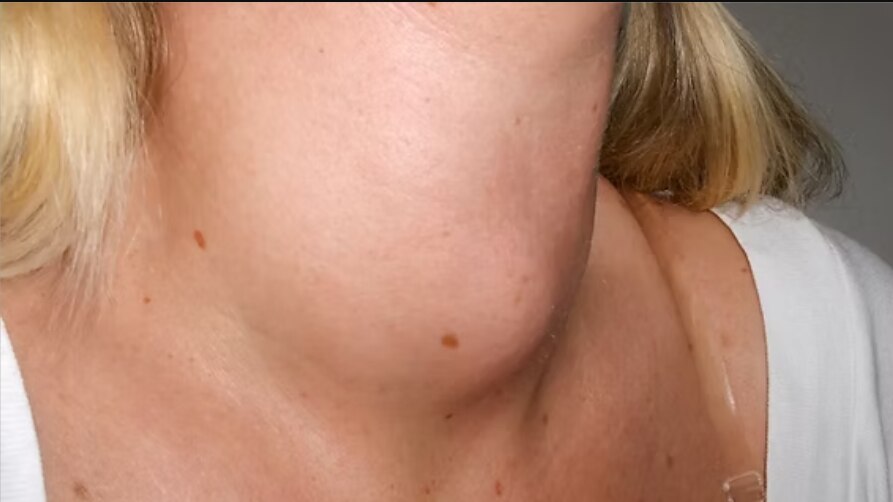
| Side of neck | Tender, mobile nodes often follow infection; hard or fixed masses need prompt review | Throat, tonsil, dental or skin infection; persistent painless enlargement is concerning |
| Under the jaw | Firm or tender swelling; may fluctuate | Pain or enlargement during meals suggests a submandibular stone or gland inflammation |
| Behind the ear | Small, tender, mobile node or inflamed skin swelling | Scalp, ear or skin infection; persistent hard swelling needs examination |
| Supraclavicular area | Any firm or enlarging lump warrants prompt assessment | This location can reflect disease in the chest or abdomen |
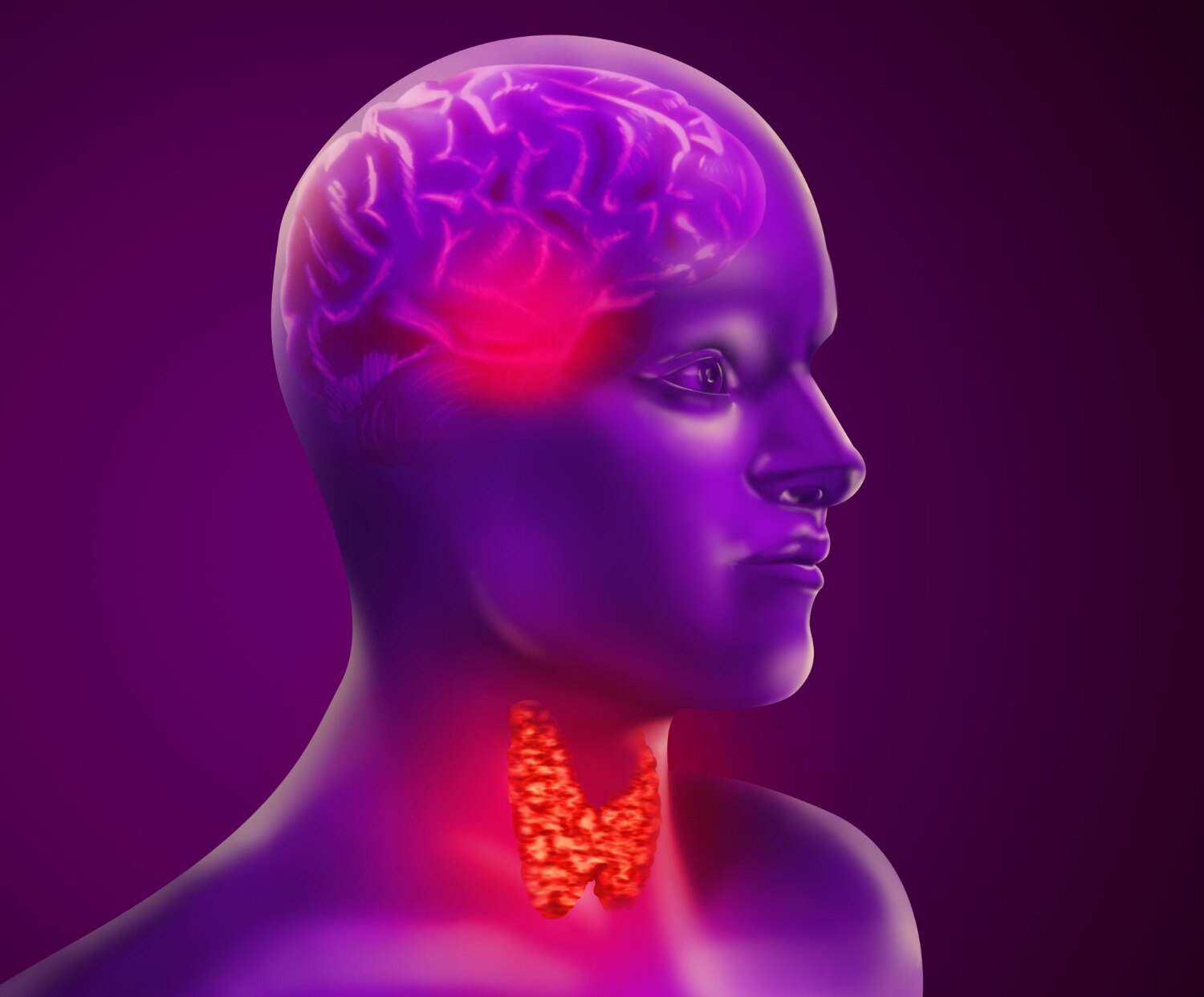
| Thyroid region | Nodule often moves with swallowing; consistency varies | Voice change, pressure, difficulty swallowing or multiple nodules need review |
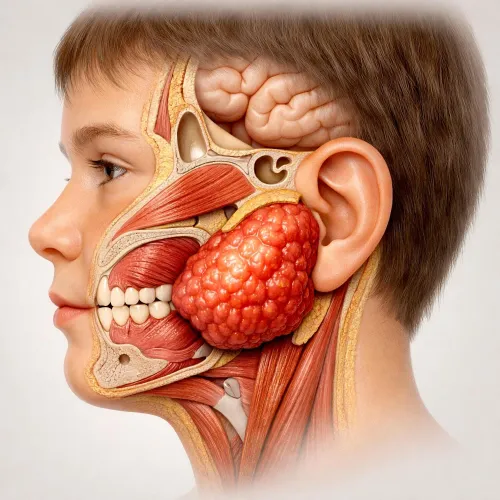
| Salivary-gland region | Parotid masses sit in front of or below the ear; submandibular masses lie under the jaw | Recurrent meal-related swelling suggests obstruction; a painless firm mass needs assessment |
| Lymph-node chain | Usually oval and mobile when reactive; hard, matted or fixed nodes are more concerning | Infection supports a reactive cause, but persistence or growth requires ENT review |
A reassuring feel cannot rule out a deeper lesion. Ultrasound often helps, but persistent adult lumps need an ENT examination and appropriate imaging rather than repeated observation.
How to tell a reactive node from a lump that needs assessment
A tender node that appears during a cold, sore throat, dental infection or skin infection is more likely to be reactive, especially in a child. It should gradually shrink as the infection settles. Pain does not rule out a serious cause, and a lump that remains after recovery needs review.
1. Watch the response, not just the cause. Arrange an ENT assessment if the swelling lasts two weeks in an adult, remains beyond the expected recovery period in a child, returns repeatedly, or continues growing. An adult lump with no clear infection, an uncertain duration or painless swelling should not be repeatedly observed.
2. Feel for warning features. A hard, firm, fixed or immobile lump, a mass larger than 1.5 cm, skin ulceration, or swelling above the collarbone needs prompt assessment. Children also need review for a supraclavicular node, prolonged fever, night sweats, weight loss, bruising, or failure to improve with prescribed treatment.
3. Act urgently for breathing or swallowing trouble. Drooling, inability to swallow saliva, a rapidly enlarging swelling, or severe illness requires emergency care rather than a routine appointment.
A neck lump specialist in Mumbai is usually an ENT or head-and-neck clinician who can assess the mouth, throat, ears, thyroid, salivary glands and neck together. That matters because a persistent “node” may instead arise from another neck structure.
Red flags that raise concern for a tumour
An adult neck lump is more concerning when it is firm, fixed, larger than 1.5 cm, steadily enlarging, painless, or present for two weeks without clear improvement. Tobacco use, regular heavy alcohol exposure, or previous head-and-neck cancer raises the threshold for waiting.
| Finding | Why it matters | What to do |
|---|---|---|
| Tobacco or alcohol exposure | Increases the risk of cancers of the mouth, throat and voice box | Arrange prompt ENT assessment |
| Previous head-and-neck cancer | A new lump could represent recurrence or a second cancer | Seek urgent specialist review |
| Weight loss or drenching night sweats | Suggests a broader illness rather than a simple local infection | Book an early appointment |
| Persistent one-sided ear pain with a normal ear examination | Pain can be referred from the throat or voice box | Request prompt examination of the throat and neck |
| Blood in saliva | May come from an ulcer or tumour in the mouth or throat | Arrange urgent assessment |
| Hoarseness or painful swallowing | Can indicate disease affecting the voice box or swallowing passage | Do not watch and wait |
Painful nodes with a sore throat or dental infection often settle as the infection clears, but pain does not exclude cancer. If the lump persists, returns, or grows, see an ENT clinician.
If you need a head-and-neck surgeon for a lump in Mumbai, ask for diagnostic assessment before any excision; removing an undiagnosed mass can complicate later cancer surgery.
What happens during an ENT neck-lump evaluation
The evaluation starts with inspection and palpation of the lump, followed by an examination of your ears, mouth, tongue, throat, tonsils, salivary-gland openings, thyroid area and neck lymph-node chains. The test depends on where the swelling began and what the examination shows.
| Finding or suspected source | Examination or test | What it answers |
|---|---|---|
| Mouth, throat or voice symptoms | Mouth-and-throat examination; flexible nasoendoscopy through the nostril | Checks hidden areas of the throat, voice box and nasal passages for an infection or primary lesion |
| Thyroid, salivary gland or superficial lump | Ultrasound | Shows cysts, solid nodules, gland changes and lymph-node features; it can guide FNA |
| Possible thyroid disorder | TSH, with free T4 when indicated | Detects abnormal thyroid function; normal results do not exclude a thyroid tumour |
| Persistent adult lump, deep-space concern or suspected cancer | Contrast CT or contrast MRI | Maps deep tissues, bone, vessels, mucosal disease and spread beyond what ultrasound can show |
| Solid or suspicious mass | Fine-needle aspiration cytology (FNAC) | Samples cells for diagnosis, cultures or additional tests without an open biopsy |
A reassuring ultrasound does not end the work-up if an adult lump persists. Avoid having an undiagnosed mass simply excised; FNA usually comes first, then a head neck surgeon for lump in Mumbai if cancer, a thyroid or salivary tumour, deep lesion or removal is suspected.
For neck swelling diagnosis in Mumbai, choose a neck lump specialist in Mumbai who can coordinate imaging and tissue testing. Dr. Navalakhe ENT Clinic can provide that initial ENT assessment; breathing difficulty or inability to swallow saliva requires emergency care.
Frequently asked questions
When does a neck swelling need emergency care?
Seek emergency care immediately for noisy or difficult breathing, inability to swallow saliva, drooling, bluish lips, or rapidly increasing tongue, floor-of-mouth, or neck swelling. Airway assessment comes before an outpatient ENT appointment.
What can a neck lump’s location and feel suggest?
Location, tenderness, mobility, firmness, and growth pattern help guide assessment. A lump under the jaw, along the side of the neck, or above the collarbone can have different causes, so examination is needed for a diagnosis.
How can you tell a reactive lymph node from a lump needing assessment?
A tender, mobile node that appears during a throat, ear, dental, or skin infection often settles as the infection improves. Arrange an ENT assessment if the lump persists, enlarges, feels firm or fixed, or appears without an obvious infection.
Which neck-lump signs raise concern for a tumour?
A persistent or enlarging lump, a firm or fixed texture, an unexplained lump in an adult, voice change, difficulty swallowing, one-sided ear pain, coughing blood, or unexplained weight loss needs prompt assessment by an ENT or head-and-neck specialist.
What happens during an ENT neck-lump evaluation?
The clinician asks when the lump appeared, how it changed, and whether you have infection or swallowing symptoms. They examine the neck, mouth, throat, ears, thyroid, and lymph-node areas, then decide whether imaging, needle sampling, blood tests, or other investigations are needed.
Keywords