Speech and language difficulties can affect how a child communicates, learns and interacts with others. Dr. Navalakhe ENT Clinic evaluates children with delayed speech to identify whether hearing loss, recurrent ear problems or an ENT condition may be contributing to the delay. When appropriate, speech therapy can then be planned around the child’s specific communication needs.
Children develop at different rates, but persistent difficulty with speaking or understanding language should not be dismissed as something they will always outgrow. Early assessment can clarify whether the child needs monitoring, hearing support, medical treatment or structured therapy.
How speech and language difficulties differ
Speech and language are related but not identical.
A speech difficulty affects the production of sounds. The child may know what they want to say but struggle to pronounce certain words clearly. A language difficulty affects the ability to understand words, form sentences or express ideas.
Children may experience:
- Unclear pronunciation
- Limited vocabulary
- Difficulty combining words into sentences
- Trouble following age-appropriate instructions
- Repetition of sounds or words
- An unusually nasal, weak or hoarse voice
- Frustration when trying to communicate
- Difficulty participating in conversations
Identifying the type of difficulty helps determine the most suitable assessment and therapy approach.
Why hearing should be checked before therapy
A child learns speech largely by listening to voices and copying sounds. Even mild or temporary hearing loss can make certain speech sounds difficult to hear clearly.
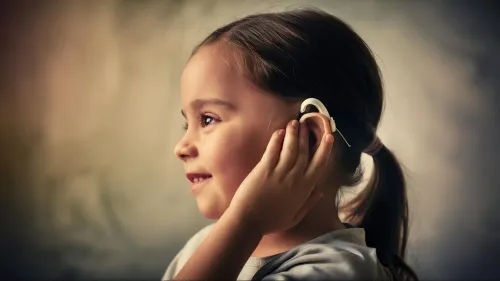
Recurrent ear infections, persistent middle-ear fluid, congenital hearing loss and other ear conditions may affect language development. A child who hears inconsistently may appear inattentive or may pronounce words according to how they are heard.
An ENT evaluation and age-appropriate hearing test can help determine whether reduced hearing is contributing to the delay. Treating an underlying ear condition may support the progress made through speech therapy.
Speech therapy assessment in Dadar
During a speech and language assessment, the therapist may evaluate:
- Understanding of spoken language
- Vocabulary and sentence formation
- Pronunciation and sound production
- Voice quality
- Fluency and stammering patterns
- Oral movements involved in speech
- Social communication skills
- Feeding or swallowing concerns when relevant
For families in Dadar, maintaining notes about the child’s communication at home and school can make the assessment more informative. Parents can also carry hearing reports, school observations and previous medical records.
What happens during speech therapy?
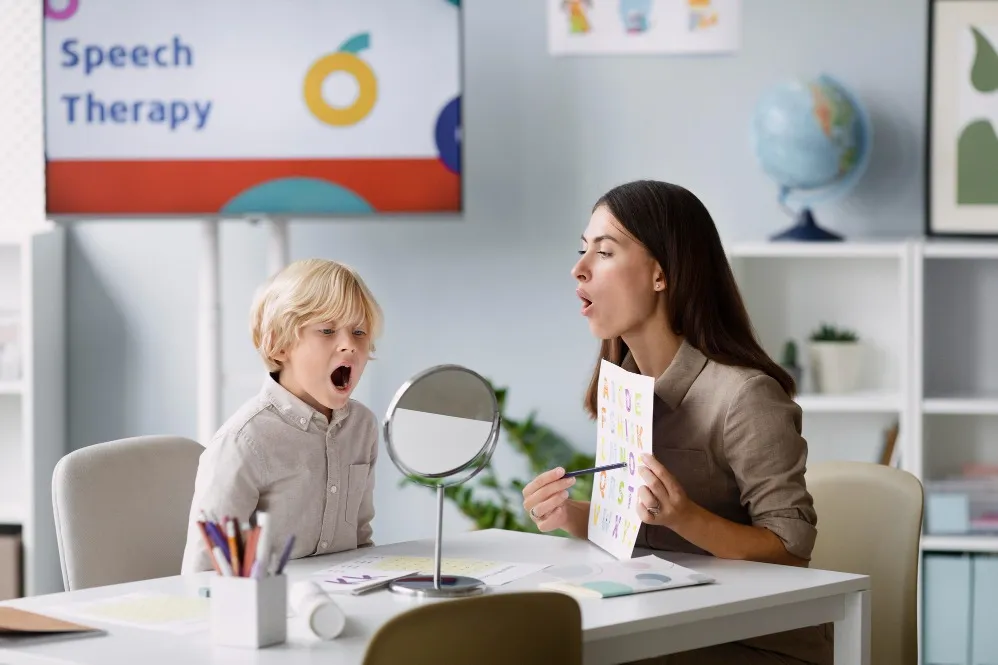
Therapy activities are selected according to the child’s age and needs. Younger children may learn through guided play, pictures, imitation and turn-taking. Older children may practise sound production, vocabulary, sentence construction and conversational skills.
Parents usually play an active role. Short, regular practice at home often helps children use newly learned skills outside the therapy setting.
Helpful home practices include:
- Speaking in short, clear sentences
- Reading aloud every day
- Naming objects during daily activities
- Allowing the child enough time to answer
- Expanding the child’s words into complete sentences
- Reducing background television and mobile noise
- Avoiding criticism of unclear speech
Dr. Milind Navalakhe can evaluate associated ENT and hearing concerns before or during speech therapy. A coordinated approach is particularly valuable when delayed speech occurs alongside frequent ear infections, poor sound response, mouth breathing or unclear voice quality.
Speech therapy is most effective when the goals are based on a proper assessment rather than age comparisons alone. Understanding the reason for the difficulty allows families to follow a more focused and practical plan.
Keywords