Swelling under the jaw is not always a salivary-gland problem: a stone, infection, dental abscess, lymph node, cyst, thyroid lump or tumour can look similar. You will learn which symptoms matter, which tests clarify the cause, when swelling needs urgent care and how treatment choices differ.
Key takeaways
- Meal-time pain or swelling under the jaw points to a blocked salivary duct.
- Fever, redness, pus, or trouble opening your mouth needs prompt medical assessment.
- Ultrasound often checks for stones, duct blockage, infection, or a mass.
- Persistent swelling requires an ENT examination rather than repeated self-treatment.
Which symptoms point to a submandibular gland problem?
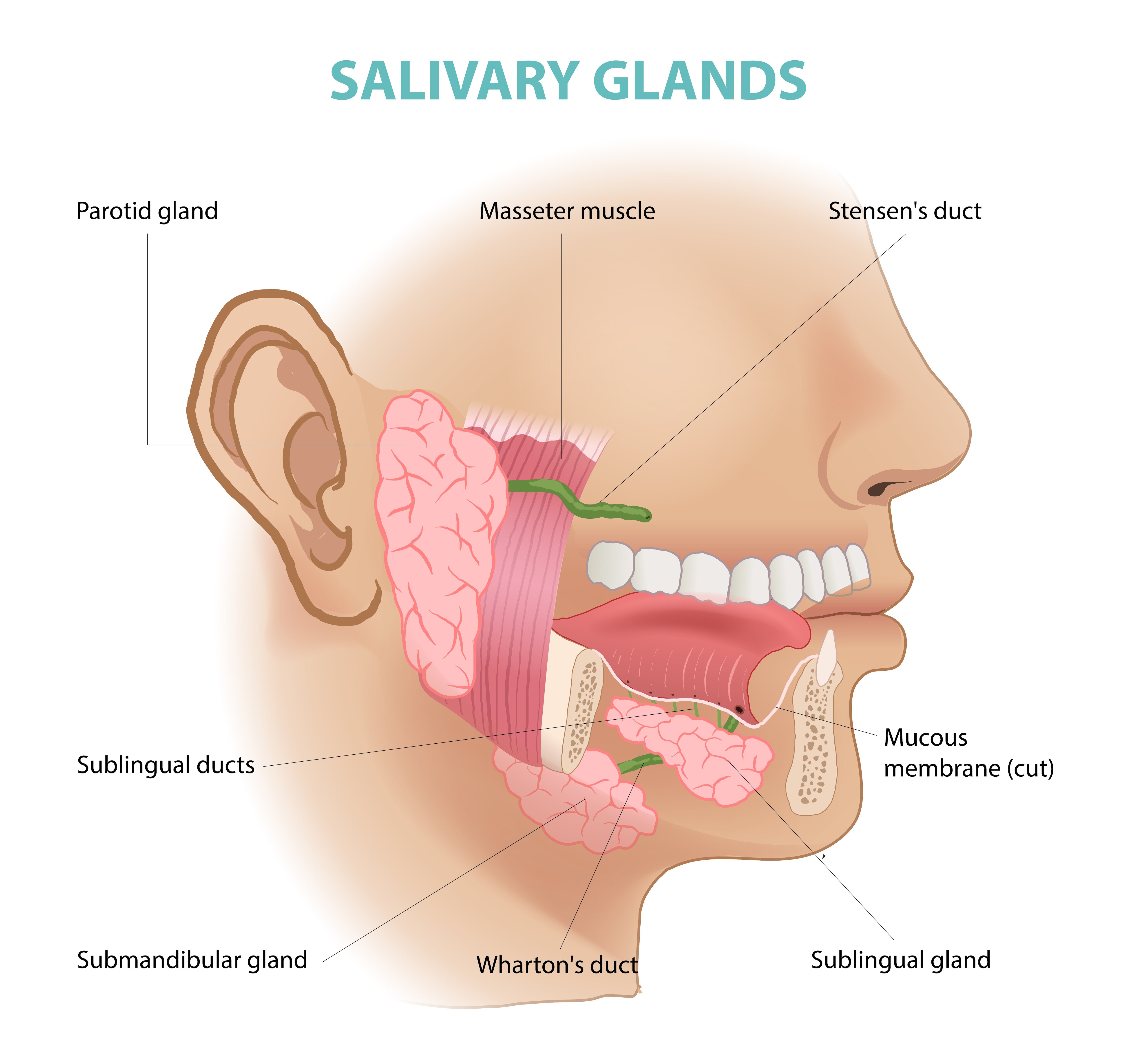
Swelling under the jaw that hurts or enlarges during meals, or even when you anticipate food, strongly suggests a submandibular gland problem. The gland may also cause dry mouth, a foul taste, fever, redness, tenderness, difficulty opening your mouth, or pus beside the tongue’s frenulum, where Wharton’s duct opens.
These symptoms occur when saliva flow meets a stone, duct blockage or infection.
| Finding | More consistent with |
|---|---|
| Changes with meals or saliva flow | Submandibular gland disease, especially a stone |
| Separate, rounded lump | Swollen lymph node |
| Painful or infected tooth with gum or facial swelling | Dental abscess |
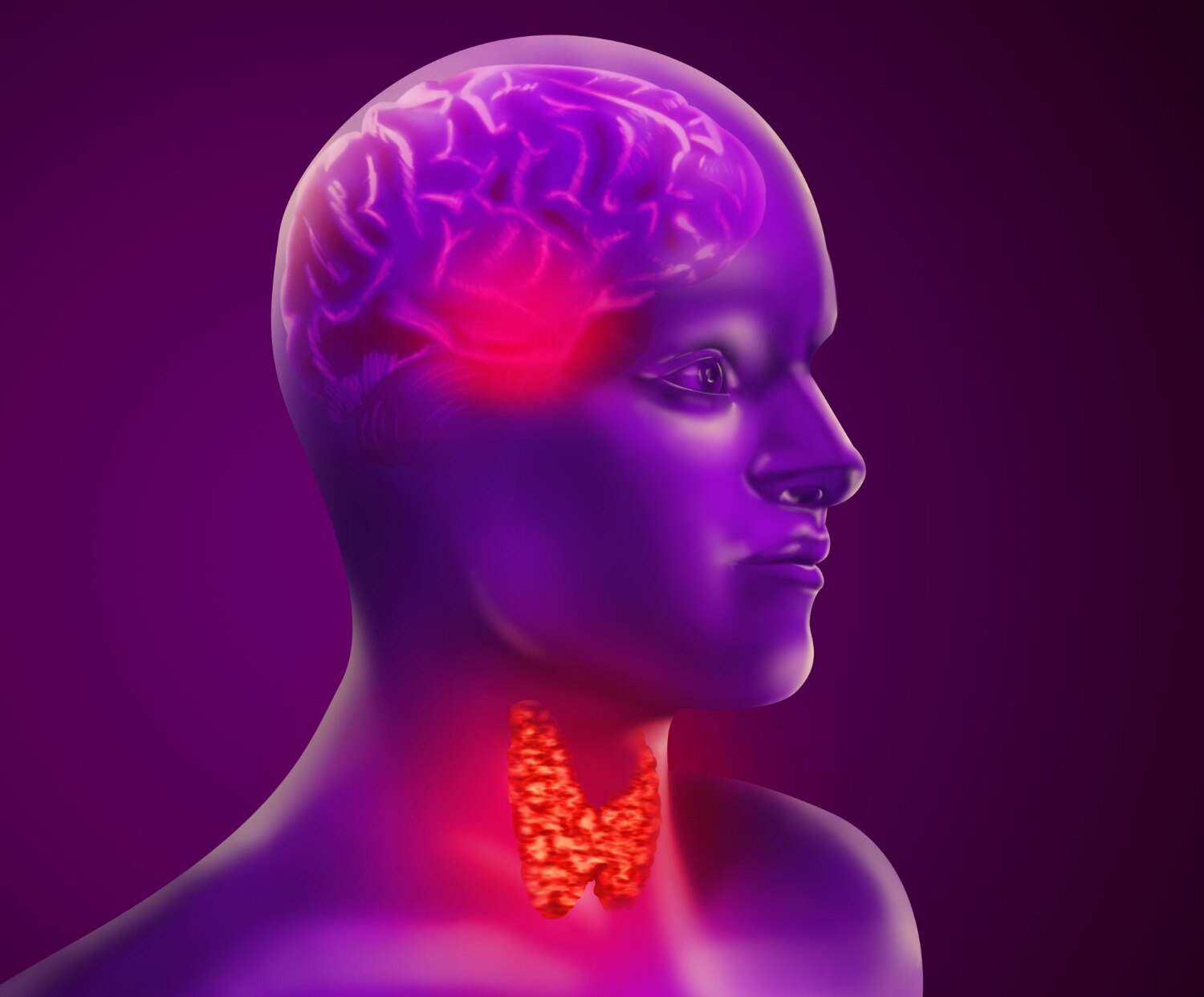
| Lump lower in the front of the neck | Thyroid lump |
| Soft, bluish swelling under the tongue | Ranula |
| Midline neck lump that moves when swallowing or sticking out the tongue | Thyroglossal cyst |
| Surface redness, warmth or a visible skin lesion | Skin infection |
A painless, steadily enlarging lump on one side does not fit the usual stone pattern. A hard or fixed mass, enlarged neck nodes, numbness, weakness or unexplained weight loss needs assessment for another cause, including a tumour.
For submandibular gland problems in Mumbai, an ENT surgeon with salivary-gland or head-and-neck expertise can examine both sides of the neck, the gland, teeth, floor of mouth and duct opening. Seek urgent care for breathing or swallowing difficulty, drooling, rapidly spreading swelling, high fever or inability to open the mouth.
How a submandibular gland stone causes meal-time pain
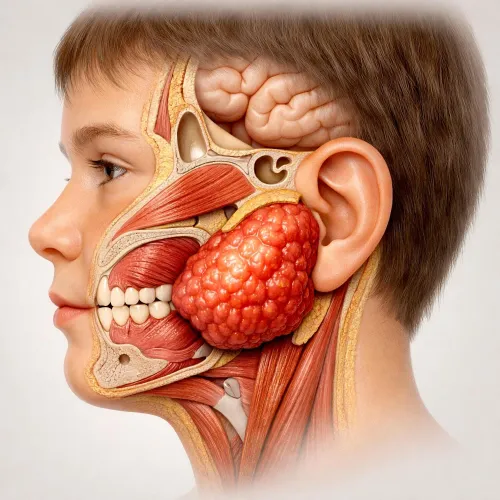
Meal-time pain occurs when saliva meets a narrowed or blocked Wharton’s duct. Saliva travels from the submandibular gland under the jaw forward along the floor of the mouth, then exits beside the frenulum of the tongue. As eating or anticipating food increases saliva production, pressure builds behind the blockage, causing pain and swelling.
Submandibular stones are common because this saliva is relatively alkaline and mucin-rich, while the duct rises upward from the gland. Whether you have a submandibular gland stone in Mumbai or elsewhere, its position affects detection and treatment.
| Location | Typical finding | Practical implication |
|---|---|---|
| Near duct opening | Stone may be visible or felt beside the frenulum | An oral examination may locate it, and transoral removal may be possible |
| Deep or intraglandular | Stone is hidden within the duct or gland | Examination may miss it, so imaging and specialist treatment may be needed |
Not every swelling is a stone. Other causes include acute bacterial sialadenitis, chronic obstruction or duct narrowing, autoimmune inflammation, benign tumours and malignant tumours. A painless lump that steadily enlarges needs assessment rather than repeated stone treatment.
Dehydration, dry mouth, medicines that reduce salivary flow and poor oral hygiene increase infection risk. Infection can add tenderness, redness, fever or pus, particularly when stagnant saliva allows bacteria to multiply. Persistent swelling after infection settles needs reassessment.
What examination and tests identify the cause?
The examination starts by comparing both sides of the neck, then palpating the submandibular glands and nearby lymph nodes for tenderness, firmness, fixation and size.
The clinician inspects the floor of the mouth and the Wharton duct opening beside the tongue’s frenulum, gently milks the gland toward the duct to check saliva flow, and examines the teeth and gums for a dental source.
- Ultrasound is usually the practical first test for a palpable lump or suspected stone. It can show inflammation, widened ducts, fluid collections, lymph nodes and many stones without radiation.
- A negative ultrasound does not exclude a small stone or one deep within the gland. Further imaging is appropriate when symptoms persist or the scan does not explain them.
- Contrast-enhanced CT is useful for suspected deep-space infection, an abscess, extensive inflammation or a mass involving areas ultrasound cannot assess well.
- MRI can clarify deep or suspicious soft-tissue disease, including the extent of a mass.
Cranial-nerve function is checked when weakness, numbness or a suspicious mass is present. A persistent or suspicious lump may need fine-needle aspiration or core-needle biopsy, with specialist pathology review. Planned sampling is safer than an unplanned open excision because some salivary tumours are difficult to classify from limited tissue.
When is submandibular swelling urgent, and what treatment is used?
Sudden submandibular swelling needs prompt medical assessment when infection could threaten the airway, rather than routine observation. Seek urgent care for:
- High fever, marked tenderness, redness, pus or a toxic appearance
- Dehydration, drooling, inability to open your mouth or difficulty swallowing
- Difficulty breathing or rapidly spreading swelling under the tongue, across the floor of the mouth or into the neck
For uncomplicated suspected obstruction without these warning signs, drink fluids, keep your mouth clean, gently massage the gland toward the duct opening beside the tongue’s frenulum, and use sugar-free sour sweets or lemon to stimulate saliva. Take an appropriate analgesic according to the label or your clinician’s advice.
Never probe the duct or try to cut out a stone; bleeding, duct injury, scarring and infection can follow.
The principles of submandibular swelling treatment in Mumbai are the same as elsewhere. Antibiotics treat suspected bacterial sialadenitis but do not dissolve a stone. An abscess needs drainage, not antibiotics alone.
Recurrent attacks despite these measures suggest a stone or duct narrowing. Treatment may include duct dilation, transoral removal of an accessible stone or sialendoscopy, which uses a small scope to remove or fragment selected stones. Large, impacted, deep or inaccessible stones may require gland surgery.
Arrange reassessment if swelling persists after the infection settles. Repeated antibiotic courses can hide an obstruction without fixing it.
How should you choose specialist care for persistent swelling in Mumbai?
Persistent, recurrent or unexplained swelling under the jaw warrants an ENT surgeon with salivary-gland or head-and-neck expertise. Choose a submandibular gland specialist in Mumbai who can examine the gland, mouth, teeth and neck, then coordinate ultrasound, CT, MRI or needle sampling when the findings require it.
Take these details to the appointment:
- Whether swelling or pain worsens while eating or anticipating food
- How long each episode lasts and whether the enlargement ever fully disappears
- Fever, pus near the duct opening, dry mouth or foul taste
- Tooth pain, gum swelling or other dental symptoms
- Weight loss, bleeding, swallowing difficulty or weakness
- Previous scans, dental reports, antibiotic names and treatment dates
| Finding | What it means | What to do |
|---|---|---|
| Hard or fixed lump | Not a typical freely draining stone | Arrange prompt specialist assessment |
| Persistent one-sided enlargement | Needs evaluation after infection settles | Do not repeat antibiotics without reassessment |
| Skin fixation or enlarged neck nodes | Possible deeper or neoplastic disease | Seek urgent ENT review |
| Facial or tongue weakness, numbness, bleeding, difficulty swallowing or unexplained weight loss | Warning signs requiring focused examination | Do not assume a stone |
Children need the same careful assessment for obstruction and stones, alongside infection, dehydration, dental disease, congenital lesions and inflammatory conditions. Medicines must be weight-based; never give leftover adult antibiotics or analgesics.
Dr. Navalakhe ENT Clinic can provide examination and coordinate imaging for Mumbai patients while assessing whether observation, medical treatment or salivary-gland or head-and-neck care is appropriate; not every swelling needs a procedure.
Related services
Head-Neck There are three major salivary glands parotid gland, submandibular gland and sublingual gland. View service → |
Head-Neck SIALENDOSCOPY Sialendoscopy is minimal invasive procedure in obstructive salivary gland diseases. |
Frequently asked questions
Which symptoms point to a submandibular gland problem?
Swelling or pain under the jaw, especially during meals or when anticipating food, can indicate a submandibular gland problem. Dry mouth, foul taste, fever, redness, tenderness, difficulty opening the mouth, or pus beside the tongue’s frenulum can indicate infection or duct blockage.
How does a submandibular gland stone cause meal-time pain?
A stone can obstruct Wharton’s duct, which carries saliva from the gland beneath the jaw into the mouth. When you eat or anticipate food, saliva production increases behind the obstruction, causing pressure, swelling, and pain that often ease after the meal.
What examination and tests identify the cause?
An ENT specialist examines the swelling, the gland, the floor of the mouth, and Wharton’s duct opening. Ultrasound can detect stones, duct dilation, infection, and some masses. Further imaging or tissue testing depends on the examination findings and whether the swelling persists.
When is submandibular swelling urgent?
Seek prompt medical care for fever, rapidly increasing swelling, spreading redness, pus, severe pain, difficulty swallowing or breathing, or difficulty opening your mouth. These symptoms can indicate an infection requiring immediate treatment.
What treatment is used for submandibular gland problems?
Treatment depends on the cause. Hydration, pain relief, gland massage, and measures that stimulate saliva can support minor duct blockage. Bacterial infection may require antibiotics and drainage. A persistent or significant stone may need duct removal, endoscopic treatment, or gland surgery.
Related service
Head-Neck Neck swellings are a very common presentation. In adult approximately 80% of non thyroid neck masses are neoplastic. View service → |
Keywords