
The right operation depends on why a child is struggling: repeated, well-documented infections call for a different decision from obstructed breathing during sleep. You will learn how to weigh likely benefits against alternatives, prepare safely, and recognise normal recovery symptoms versus emergencies.
Key takeaways
- Consider surgery for obstructed sleep breathing or severe, documented recurrent infections.
- Ask how tonsils, adenoids and the airway contribute to your child’s symptoms.
- Compare watchful waiting, medical treatment and surgery using sleep and infection history.
- Prioritise frequent fluids and know the warning signs of postoperative bleeding.
When tonsillectomy is likely to help a child
Children gain the clearest benefit when enlarged tonsils obstruct breathing during sleep or when infections are severe, repeated and well documented. Loud habitual snoring, witnessed pauses, gasping, restless sleep, mouth breathing, morning tiredness, poor concentration or daytime behaviour changes point toward sleep-disordered breathing.
Surgery can improve sleep, swallowing, school participation and quality of life, but it does not guarantee that snoring will disappear, especially with obesity, craniofacial differences, neuromuscular disease or another airway problem.
For recurrent throat infections, records support surgery when the child has:
- At least seven qualifying episodes in one year, five episodes per year for two consecutive years, or three episodes per year for three consecutive years.
- A recorded sore throat plus fever above 38.3°C, swollen neck glands, tonsil exudate, or a positive group A streptococcal test.
- Clinician-documented visits, test results and treatment dates rather than a family count of every minor cold.
| Child pattern | Likely tonsillectomy benefit | When another approach fits better |
|---|---|---|
| Obstructive sleep breathing | Better sleep, daytime function and quality of life | Allergy, nasal obstruction or another airway cause |
| Severe documented infections | Fewer future throat-infection episodes | Mild, infrequent or poorly documented viral sore throats |
| Large tonsils without symptoms | Little proven benefit | Observation and assessment for the actual cause |
Families researching tonsillectomy benefits for children in Mumbai should seek an ENT assessment before treating tonsil size alone as the reason for surgery.
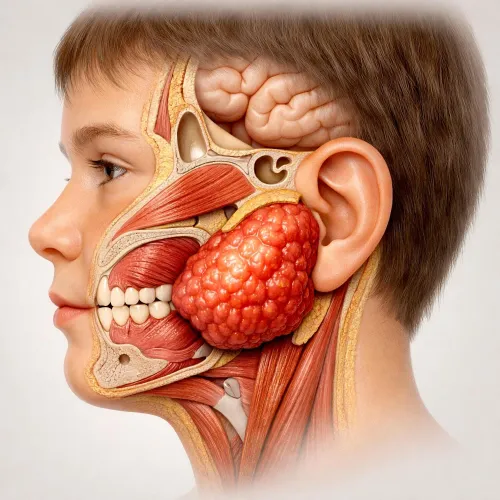
How doctors identify the tonsils, adenoids and airway problem
An ENT assessment separates enlarged tonsils from enlarged adenoids and identifies whether either is obstructing breathing. Tonsils sit on both sides at the back of the mouth and can be seen during examination. Adenoids sit behind the nose, so they usually require a flexible nasal endoscope or, when appropriate, a lateral neck X-ray for assessment.
- The doctor records loud habitual snoring, witnessed pauses, gasping, mouth breathing, restless sleep, morning headaches, daytime sleepiness, irritability and concentration problems.
- The doctor examines tonsil size, nasal airflow, the palate, jaw and facial structure, and signs of allergy or chronic nasal blockage.
- The doctor asks about documented throat infections, antibiotic treatment, missed school, swallowing difficulty and previous abscesses.
- If obstructive sleep apnoea is suspected but the diagnosis or severity is unclear, overnight polysomnography may measure breathing, oxygen levels and sleep disruption.
- The doctor checks for obesity, neuromuscular disease, craniofacial differences and other airway problems that could leave symptoms after surgery.
This evaluation determines whether tonsillectomy, adenoidectomy or adenotonsillectomy is appropriate; removing tonsils alone does not treat enlarged adenoids. At Dr. Navalakhe ENT Clinic, ask the surgeon to show which tissue is enlarged and name the exact operation before consent.
That distinction helps families judge whether tonsil removal benefits children in Mumbai are likely to include better sleep, easier nasal breathing or fewer qualifying infections.
Related service
Pediatric Ent TONSILLECTOMY Tonsillectomy is surgical procedure in which both tonsils are removed from the tonsillar fossa. |
Watchful waiting, medical care or tonsil surgery: comparing the choices
Watchful waiting suits mild or infrequent symptoms; medical care treats a specific cause; surgery offers the largest improvement when enlarged tonsils drive repeated infections or obstructive sleep-disordered breathing. The right choice depends on what is causing the child’s problem, not on tonsil size alone.
| Option | What it can improve | Main limitation |
|---|---|---|
| Watchful waiting | Avoids operative pain, bleeding and dehydration while symptoms settle or episodes become less frequent | It will not reliably relieve severe airway obstruction or repeated, well-documented infections |
| Medical care | Antibiotics can treat confirmed bacterial infections; allergy treatment, nasal care or CPAP can improve symptoms when those conditions cause obstruction | It does not remove bulky tonsil tissue, and viral sore throats do not benefit from antibiotics |
| Total tonsillectomy | Removes the tonsils completely, reducing infection episodes and airway blockage; sleep, swallowing, daytime behaviour, school attendance and quality of life can improve when obstruction is the cause | Recovery brings significant throat pain and a risk of bleeding or dehydration |
| Intracapsular tonsillotomy | Removes most tonsil tissue, often with less early pain and bleeding while creating more airway space | A thin capsule remains, so tissue can regrow and symptoms can return |
During pediatric tonsil surgery in Mumbai, ask whether the plan is total or intracapsular and why it fits the indication. Intracapsular treatment may suit obstructive enlargement, while total removal can be preferred when infection risk or residual tissue matters. Confirm pain, fluid and emergency instructions before choosing.
Preparing a child for surgery in Mumbai
Arrange the operation around a safe fasting plan, an anaesthesia review, reliable transport and at least 7–10 days away from school. For families planning pediatric tonsil surgery in Mumbai, confirm these details before the admission day:
1. Ask the hospital for exact fasting times. A common schedule is clear liquids until 2 hours before anaesthesia, breast milk until 4 hours before, formula or a light meal until 6 hours before, and fatty food until 8 hours before. Follow the hospital’s written instructions if they differ.
2. Give medicines only as the surgeon or anaesthetist approves. Provide a complete list, including inhalers, allergy medicines, supplements and recent antibiotics. Ask specifically which medicines to stop and which to give on the morning of surgery; never give codeine after tonsillectomy.
3. Discuss anaesthesia during the preoperative assessment. Tell the team about snoring, pauses in breathing, obesity, Down syndrome, craniofacial or neuromuscular conditions, sickle-cell disease and previous anaesthetic reactions. Sleep testing is useful for higher-risk children or when symptoms and examination disagree, not for every child.
4. Book an adult driver and another adult to supervise the child afterwards; do not plan public transport alone.
5. Keep the child home until drinking well, pain is controlled and the surgeon approves return. Before discharge, save the after-hours number, nearest emergency facility and instructions for fresh bright-red bleeding or dehydration.
Child tonsillectomy recovery: pain, fluids, school and bleeding warnings
Expect significant throat pain for 7–10 days; some children hurt for up to two weeks. Pain can spread to the ears and worsen several days after surgery as the healing coating separates. That ear pain does not automatically mean an ear infection.
| Recovery stage | What to expect | What to do |
|---|---|---|
| First 24 hours | Sleepiness, sore throat and reduced appetite | Give prescribed pain relief and frequent small sips |
| Days 2–7 | Pain may peak; swallowing remains uncomfortable | Offer water, oral rehydration fluid and tolerated soft foods |
| After 7 days | Pain and eating usually improve, but healing continues | Return to school only when drinking, eating, sleeping and energy are normal |
Fluids matter more than a full meal. Follow the surgeon’s dosing plan; never give codeine after tonsillectomy, and do not start antibiotics unless prescribed for a specific reason. Keep the child home from school until comfortable and recovered, often around 10–14 days, according to the operating team.
During child tonsillectomy recovery in Mumbai, arrange the surgeon’s after-hours number and identify the nearest emergency department before discharge. Seek urgent medical advice for:
- Poor drinking, repeated vomiting, very little urine, unusual sleepiness or pain that remains uncontrolled
- Any fresh bright-red blood from the mouth or throat, even a small amount: go to emergency care immediately
- Noisy or difficult breathing, blue lips, collapse or inability to wake the child: call emergency services
The tonsillectomy benefits for children in Mumbai matter only when families leave with clear medicine, hydration, follow-up and emergency instructions.
Frequently asked questions
When is tonsillectomy likely to help a child?
Tonsillectomy is most helpful when enlarged tonsils obstruct breathing during sleep or when infections are severe, repeated and well documented. Snoring, witnessed pauses, gasping, restless sleep, mouth breathing and daytime tiredness are important symptoms to report.
How do doctors identify whether tonsils, adenoids or the airway are causing symptoms?
Doctors review the child’s sleep and infection history, examine the tonsils and adenoids, and assess how the upper airway may be narrowing. They use these findings to distinguish tonsil-related obstruction from other causes.
How do watchful waiting, medical care and tonsil surgery compare?
Watchful waiting can suit children with mild or improving symptoms. Medical care addresses contributing problems such as nasal inflammation. Surgery provides a direct way to remove obstructing tonsil tissue when symptoms are persistent, significant or linked to repeated documented infections.
How should you prepare a child for tonsil surgery in Mumbai?
Confirm the surgical plan, fasting instructions, medicines to stop or continue, transport and adult supervision after discharge. Ask what pain relief, fluids, activity limits and emergency contact arrangements your child will need.
What does child tonsillectomy recovery involve?
Expect throat pain, reduced appetite and a need for frequent fluids. Plan time away from school and follow the surgeon’s medication instructions. Seek urgent medical advice for fresh bleeding, breathing difficulty or inability to drink.
Keywords